With Inflation Hedge Mutual Funds at the forefront, this paragraph opens a window to an amazing start and intrigue, inviting readers to embark on a storytelling casual formal language style filled with unexpected twists and insights.
In today’s volatile market, protecting your investments from the erosive effects of inflation is paramount. This is where Inflation Hedge Mutual Funds come into play, offering a shield against the rising tide of prices by strategically investing in assets that can weather economic storms. Let’s delve deeper into the world of these specialized funds and explore how they can fortify your financial portfolio.
Introduction to Inflation Hedge Mutual Funds
Inflation hedge mutual funds are investment vehicles designed to protect investors from the eroding effects of inflation on their portfolios. These funds typically include assets that have historically performed well during periods of high inflation, such as commodities, real estate, and inflation-protected securities.
Using mutual funds as a hedge against inflation involves allocating a portion of your investment portfolio to funds that have the potential to outperform traditional investments like stocks and bonds during inflationary periods. By diversifying your portfolio with inflation hedge mutual funds, you can help safeguard your wealth against the negative impacts of rising prices.
The Importance of Considering Inflation When Investing in Mutual Funds
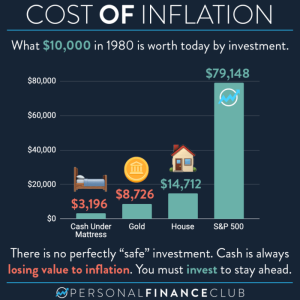
When investing in mutual funds, it is crucial to take inflation into account as it can significantly impact the real value of your investments over time. Inflation decreases the purchasing power of money, meaning that the same amount of money will buy fewer goods and services in the future.
By choosing inflation hedge mutual funds, investors can potentially mitigate the effects of inflation on their investments and preserve their wealth in real terms. These funds provide a strategic way to navigate the challenges posed by inflation and ensure that your investment returns outpace the rate of inflation over the long term.
Characteristics of Inflation Hedge Mutual Funds
Inflation hedge mutual funds are designed to protect investors from the eroding effects of inflation by investing in assets that have historically performed well during inflationary periods. These funds typically have the following characteristics:
Asset Allocation
Inflation hedge mutual funds often have a diversified portfolio that includes assets such as commodities, real estate, and inflation-protected securities. This allocation helps to spread risk and capture returns from different sectors that tend to perform well in inflationary environments.
Focus on Real Assets
These funds prioritize investments in real assets like gold, real estate, and natural resources, which have intrinsic value and tend to retain their worth even when inflation rises. By focusing on tangible assets, fund managers aim to provide a hedge against the loss of purchasing power caused by inflation.
Active Management
Fund managers actively monitor market conditions and adjust the fund’s holdings accordingly to capitalize on opportunities presented by inflation. They may use strategies like buying inflation-linked bonds, increasing exposure to commodities, or investing in companies with pricing power to navigate inflationary environments effectively.
Inflation-Linked Securities
Inflation hedge mutual funds may also invest in securities that are directly linked to inflation, such as Treasury Inflation-Protected Securities (TIPS). These securities provide a guaranteed return above inflation, ensuring that investors’ purchasing power is preserved even as prices rise.
Risk Management
Fund managers of inflation hedge mutual funds employ risk management techniques to mitigate the impact of inflation on the fund’s performance. This may involve using derivatives to hedge against inflation risks, implementing dynamic asset allocation strategies, or incorporating alternative investments with low correlation to traditional asset classes.
Income Funds
Income funds are a type of mutual fund that primarily focuses on generating income for investors through regular dividends or interest payments. These funds typically invest in various income-generating securities such as bonds, dividend-paying stocks, or real estate investment trusts (REITs).
Primary Objectives of Income Funds
Income funds aim to provide a steady stream of income to investors while preserving the capital invested. These funds are suitable for investors looking for regular income payments and are less concerned with capital appreciation.
- Income funds prioritize investments in fixed-income securities such as bonds and Treasury bills to generate interest income for investors.
- They may also invest in dividend-paying stocks or other income-generating assets to enhance the overall yield of the fund.
- The primary goal of income funds is to provide a consistent income stream to investors regardless of market conditions.
Generating Returns for Investors
Income funds generate returns for investors primarily through the regular income payments received from the underlying securities in the fund’s portfolio. These payments can come from interest on bonds, dividends from stocks, or rental income from real estate holdings.
- Income funds may also realize capital gains by buying and selling securities within the portfolio, although this is not the primary focus of these funds.
- Investors can choose to reinvest the income payments received or receive them as cash payouts, depending on their financial goals and investment strategy.
- The total return of an income fund is a combination of the income generated from the underlying assets and any capital appreciation or depreciation of the securities held in the portfolio.
Comparison with Other Types of Mutual Funds
In terms of risk and return, income funds typically offer lower potential returns compared to growth or aggressive growth funds, as they prioritize income generation over capital appreciation.
- Income funds tend to be less volatile than growth funds, making them suitable for conservative investors or those approaching retirement who prioritize income stability.
- On the other hand, income funds may also have lower growth potential compared to growth-oriented funds, as the focus is on generating income rather than capital gains.
- Investors should consider their risk tolerance, investment goals, and time horizon when choosing between income funds and other types of mutual funds to ensure their portfolio aligns with their financial objectives.
Index Funds
Index funds are a type of mutual fund that aims to replicate the performance of a specific market index, such as the S&P 500. These funds operate by holding a diversified portfolio of securities that mirror the composition of the chosen index. Instead of relying on active management and stock picking, index funds passively track the index’s performance.
Benefits of Investing in Index Funds
- Low Expenses: Index funds typically have lower expense ratios compared to actively managed funds since they do not require constant buying and selling of securities.
- Diversification: By investing in an index fund, investors gain exposure to a wide range of securities, reducing individual stock risk.
- Consistent Performance: Index funds tend to perform in line with the market index they track, providing a predictable and stable investment option.
- Easy to Understand: Index funds offer a straightforward investment approach, making them suitable for both novice and experienced investors.
Comparison with Actively Managed Funds
When comparing the performance of index funds with actively managed funds, research has shown that index funds often outperform actively managed funds over the long term. This is mainly due to lower fees and the challenge of consistently beating the market through active management. While actively managed funds may have the potential for higher returns, they also come with higher costs and the risk of underperformance.
Inflation Hedge Strategies in Mutual Funds
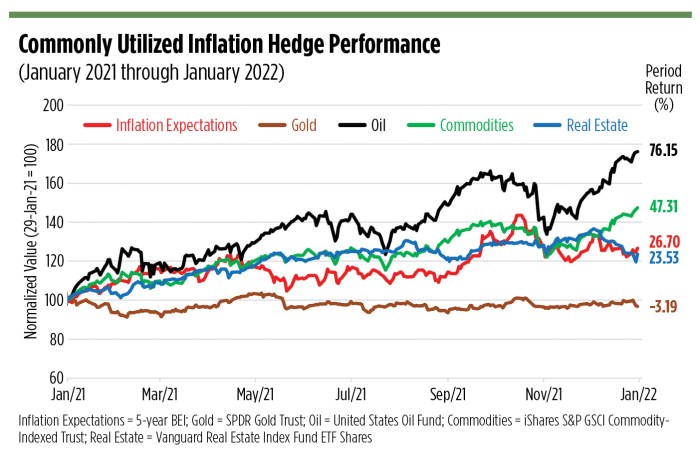
Inflation hedge strategies in mutual funds are designed to protect investors’ portfolios from the erosive effects of inflation. These strategies involve investing in assets that have historically shown to retain or increase in value during inflationary periods.
Real Assets
Investing in real assets such as real estate, commodities, and infrastructure projects can act as effective inflation hedges. These assets tend to increase in value as prices rise, helping to offset the impact of inflation on the overall portfolio.
Treasury Inflation-Protected Securities (TIPS)
Mutual funds often include Treasury Inflation-Protected Securities (TIPS) in their portfolios as a way to hedge against inflation. TIPS are government bonds whose principal value is adjusted based on changes in the Consumer Price Index, providing investors with a guaranteed return above inflation.
Natural Resources Stocks
Another strategy employed by mutual funds is investing in natural resources stocks. Companies involved in industries like energy, mining, and agriculture can benefit from rising prices during inflationary periods, making their stocks attractive inflation hedges.
Commodity Funds
Commodity funds are mutual funds that invest in physical commodities such as gold, silver, oil, and agricultural products. These funds can serve as effective inflation hedges as the prices of commodities tend to rise during inflation, helping to preserve the purchasing power of the portfolio.
Effectiveness of Strategies
The effectiveness of inflation hedge strategies in mutual funds can vary depending on the economic conditions. During periods of high inflation, real assets and TIPS tend to perform well, while natural resources stocks and commodity funds may also provide protection. However, in times of low inflation or deflation, these strategies may not be as effective, highlighting the importance of diversification in a mutual fund portfolio to mitigate risks associated with inflation.
Insurance Premiums and Inflation
Inflation can have a significant impact on insurance premiums, as the rising cost of goods and services can lead to higher replacement costs for damaged or lost property, increased healthcare expenses, and greater liabilities for insurance companies.
Role of Inflation Hedging Strategies in Insurance Products
Insurance companies utilize various inflation hedging strategies to manage the risks associated with inflation. One common strategy is to invest in assets that have historically shown a positive correlation with inflation, such as real estate, commodities, and inflation-linked bonds. By diversifying their investment portfolios with these assets, insurance companies can better protect themselves against the erosion of real value caused by inflation.
- Implementing Inflation-Indexed Policies: Some insurance companies offer policies with benefits that are adjusted for inflation, ensuring that policyholders are adequately protected against rising costs over time.
- Reinsurance: Insurance companies can also transfer some of their inflation risks to reinsurers, who specialize in assuming large and complex risks. This allows insurance companies to protect their balance sheets from the adverse effects of inflation.
- Dynamic Pricing Models: To account for the impact of inflation on claims payouts and operating expenses, insurance companies may use dynamic pricing models that adjust premiums based on inflation expectations and actual inflation rates.
How Insurance Companies Manage Inflation Risks
Insurance companies employ a combination of risk management techniques to mitigate the impact of inflation on their operations and financial performance. By carefully monitoring inflation trends, maintaining adequate reserves, and implementing effective hedging strategies, insurance companies can navigate the challenges posed by inflation and ensure their long-term sustainability.
It is crucial for insurance companies to proactively address inflation risks to protect their profitability and fulfill their commitments to policyholders.
In conclusion, Inflation Hedge Mutual Funds serve as a crucial tool for investors looking to mitigate the impact of inflation on their wealth. By understanding the strategies and characteristics of these funds, individuals can navigate uncertain economic conditions with greater confidence. Whether it’s income funds, index funds, or other inflation-hedging strategies, the key lies in diversification and foresight. Embrace the power of Inflation Hedge Mutual Funds to safeguard your financial future and stay ahead of the curve in a constantly evolving market landscape.
Essential FAQs
How do Inflation Hedge Mutual Funds protect against rising prices?
Inflation Hedge Mutual Funds invest in assets that have historically shown resilience during inflationary periods, such as commodities, real estate, and inflation-protected securities.
Are Inflation Hedge Mutual Funds suitable for all types of investors?
While these funds can be beneficial for many investors, it’s essential to assess your risk tolerance and investment goals before incorporating them into your portfolio.
Can Inflation Hedge Mutual Funds guarantee protection against all economic downturns?
No investment is entirely risk-free, including Inflation Hedge Mutual Funds. However, they can offer a level of protection and stability during inflationary cycles.