As Insurance Premiums for High-Risk Drivers takes center stage, this opening passage beckons readers with casual formal language style into a world crafted with good knowledge, ensuring a reading experience that is both absorbing and distinctly original.
Insurance premiums for high-risk drivers can be a complex and costly affair, impacting various aspects of their driving experience. Understanding how these premiums are determined is crucial for making informed decisions and potentially reducing costs.
Overview of Insurance Premiums for High-Risk Drivers
High-risk drivers in the context of insurance are individuals who are more likely to be involved in accidents or file insurance claims due to factors such as poor driving records, young age, or driving high-performance vehicles.
Factors Affecting Insurance Premiums for High-Risk Drivers
Insurance companies determine premiums for high-risk drivers based on various factors, including driving record, age, and vehicle type.
- Driving Record: High-risk drivers with a history of accidents, traffic violations, or DUI convictions will generally face higher insurance premiums. Insurance companies view these individuals as more likely to file claims in the future.
- Age: Young drivers, especially teenagers, are considered high-risk due to their lack of experience behind the wheel. As a result, insurance premiums for younger drivers tend to be higher compared to older, more experienced drivers.
- Vehicle Type: The type of vehicle driven by a high-risk driver can also impact insurance premiums. High-performance cars or vehicles with a history of theft are typically associated with higher risks, leading to increased insurance costs.
Factors Affecting Insurance Premiums
Factors such as past accidents, traffic violations, and credit score play a significant role in determining insurance premiums for high-risk drivers. Let’s delve deeper into how these factors influence the rates and what behaviors can lead to increased premiums.
Past Accidents and Traffic Violations
Having a history of accidents or multiple traffic violations can signal to insurance companies that a driver is high-risk. This can lead to an increase in insurance premiums as the likelihood of future claims is deemed higher in such cases. For example, a driver with a record of speeding tickets or DUIs may face higher insurance costs due to the increased risk they pose on the road.
Credit Score
Credit score is another factor that can impact insurance premiums for high-risk drivers. Insurance companies often use credit information to assess the risk profile of a driver. A lower credit score can indicate a higher likelihood of filing claims, leading to higher premiums. Maintaining a good credit score can help in securing lower insurance rates.
Geographical Location
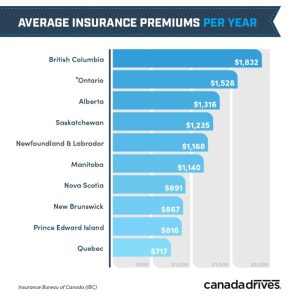
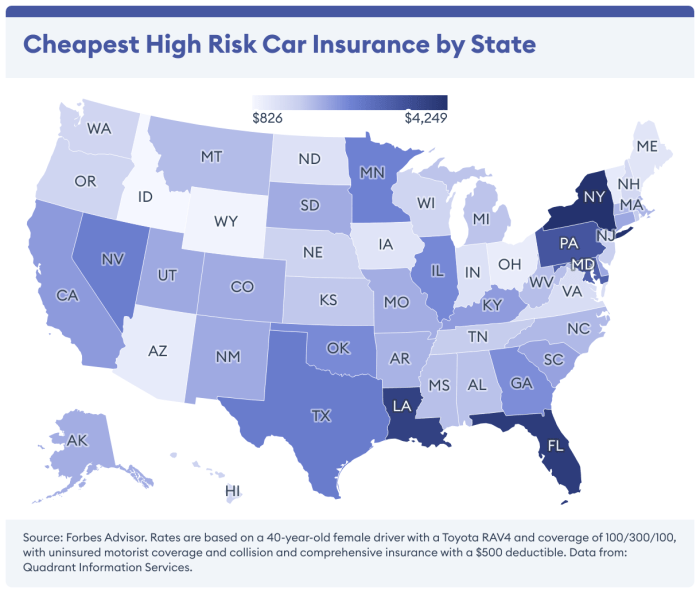
The geographical location of a driver also plays a role in determining insurance rates for high-risk drivers. Areas with higher incidences of accidents, car theft, or vandalism may lead to increased premiums for drivers residing in those regions. Additionally, densely populated urban areas may have higher insurance rates compared to rural areas due to the increased risk of accidents and theft.
Strategies to Lower Insurance Premiums for High-Risk Drivers
High-risk drivers can take proactive measures to reduce insurance costs and potentially save money on their premiums. By comparing different insurance companies’ policies for high-risk drivers and considering factors like completing defensive driving courses or installing safety devices in vehicles, drivers may be able to lower their insurance premiums.
Comparing Insurance Companies’ Policies
When looking to lower insurance premiums, high-risk drivers should compare policies from different insurance companies. Each company may have varying rates and discounts available for drivers with a history of accidents or violations. By shopping around and obtaining quotes from multiple insurers, drivers can find the most competitive rates that suit their specific needs.
Completing Defensive Driving Courses
One effective way for high-risk drivers to potentially reduce their insurance premiums is by completing defensive driving courses. These courses can help drivers improve their skills on the road, demonstrate a commitment to safe driving practices, and may qualify them for discounts with their insurance provider. By investing in additional training and education, drivers can show insurers that they are taking steps to become safer drivers.
Installing Safety Devices in Vehicles
Another strategy to lower insurance premiums for high-risk drivers is by installing safety devices in their vehicles. Features such as anti-theft systems, airbags, and dashboard cameras can help reduce the risk of accidents or theft, which may lead to lower insurance costs. Insurance companies often offer discounts for vehicles equipped with safety devices, as they are seen as less risky to insure.
Income Funds vs. Index Funds

Income funds and index funds are two popular investment options that cater to different investment goals and strategies. Income funds primarily focus on generating income for investors through dividends, interest payments, and other sources of income. On the other hand, index funds aim to replicate the performance of a specific market index, such as the S&P 500, by investing in the same securities in the same proportions.
Income Funds
Income funds are designed to provide a steady stream of income to investors by investing in dividend-paying stocks, bonds, and other income-generating securities. These funds are suitable for investors looking for regular income payments and are typically less volatile compared to growth-oriented funds. Income funds may also offer the potential for capital appreciation, although their primary objective is income generation.
- Income funds are actively managed by fund managers who select securities based on their income-generating potential.
- These funds may invest in a diversified portfolio of securities to minimize risk and enhance income stability.
- Income funds are suitable for conservative investors or those in need of regular income, such as retirees.
Index Funds
Index funds, on the other hand, aim to match the performance of a specific market index by holding the same securities in the same proportions. These funds are passively managed and seek to replicate the returns of the underlying index rather than outperforming it. Index funds are known for their low costs, diversification, and long-term investment approach.
- Index funds offer broad market exposure and are a cost-effective way to invest in a diversified portfolio of securities.
- These funds typically have lower expense ratios compared to actively managed funds, making them attractive to cost-conscious investors.
- Index funds are suitable for investors seeking market returns, diversification, and a long-term investment strategy.
Income funds focus on generating income through dividends and interest payments, while index funds aim to replicate the performance of a specific market index.
Risk Profiles
Income funds are generally considered less risky than index funds due to their focus on income generation and capital preservation. However, income funds may still be subject to market risks, interest rate risks, and credit risks associated with the underlying securities. On the other hand, index funds are exposed to market volatility and fluctuations in the underlying index, but they offer diversification benefits and lower costs compared to actively managed funds.
- Income funds are more suitable for conservative investors looking for income stability and lower volatility.
- Index funds are ideal for investors seeking market returns, broad diversification, and cost-effective investment options.
- Both income funds and index funds have their own risk profiles, and investors should consider their investment goals and risk tolerance before choosing between the two.
Inflation Hedge Strategies
Inflation hedge refers to investment strategies that help protect the value of assets from the erosive effects of inflation over time. It is crucial to incorporate inflation hedge strategies in investment portfolios to ensure long-term financial security and growth.
Various Inflation Hedge Options
- Real Estate Investments: Real estate tends to appreciate in value over time, serving as a reliable inflation hedge. Rental income from properties can also provide a steady source of cash flow.
- Commodities: Investing in commodities like gold, silver, or oil can be an effective hedge against inflation, as their prices tend to rise during inflationary periods.
- TIPS (Treasury Inflation-Protected Securities): TIPS are government bonds designed to protect investors from inflation. They adjust their principal value based on changes in the Consumer Price Index.
- Stocks of Inflation-Resistant Companies: Investing in stocks of companies that have pricing power, strong cash flows, and solid balance sheets can help mitigate the impact of inflation on investment portfolios.
Impact of Inflation on Insurance Premiums for High-Risk Drivers
Inflation can affect insurance premiums for high-risk drivers by increasing the cost of claims settlements, repairs, and medical expenses. As prices rise, insurance companies may adjust their premiums to cover these higher costs, leading to increased premiums for policyholders.
One way to hedge against the impact of inflation on insurance premiums is to explore multi-year insurance policies that lock in rates for a longer period. By securing a fixed premium rate, high-risk drivers can shield themselves from potential premium increases due to inflation.
In conclusion, navigating the realm of insurance premiums for high-risk drivers requires careful consideration of various factors. By staying informed, comparing policies, and exploring mitigation strategies, drivers can potentially manage and lower their insurance costs effectively.
Essential FAQs
How do insurance companies define high-risk drivers?
Insurance companies typically classify drivers as high-risk based on factors like past accidents, traffic violations, and credit score.
What are some examples of high-risk behaviors that can lead to increased insurance premiums?
Examples include speeding, reckless driving, DUI convictions, and multiple at-fault accidents.
Are defensive driving courses effective in lowering insurance premiums for high-risk drivers?
Yes, completing defensive driving courses can often lead to discounts on insurance premiums as it demonstrates a commitment to safe driving practices.
How does geographical location impact insurance rates for high-risk drivers?
Geographical location can affect insurance rates due to varying levels of traffic congestion, crime rates, and frequency of accidents in different areas.