Exploring the landscape of Health Insurance Premiums in 2024, this introduction sets the stage for a deep dive into the intricacies and influences shaping the future of healthcare coverage costs.
From the factors driving premium changes to the evolving role of technology, this discussion aims to provide a comprehensive understanding of what to expect in the upcoming year.
Health Insurance Premiums in 2024
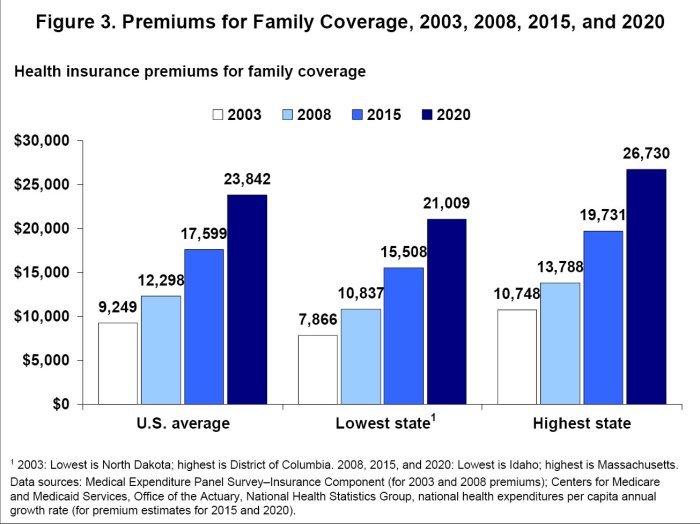
The year 2024 is expected to bring several factors that could impact health insurance premiums. These factors range from healthcare costs to technological advancements and government regulations.
Factors Affecting Health Insurance Premiums
- Rising Healthcare Costs: The increase in healthcare costs, including medical treatments, medications, and services, can directly impact insurance premiums. As healthcare expenses rise, insurers may adjust their premiums to cover these costs.
- Age and Health Status: Individuals’ age and health conditions can influence insurance premiums. Older individuals or those with pre-existing conditions may face higher premiums due to the increased likelihood of requiring medical care.
- Market Competition: The competitive landscape in the insurance industry can also play a role in determining premiums. Insurers may adjust their rates to attract customers or remain competitive in the market.
Role of Technology in Shaping Health Insurance Premiums
- Technological advancements in healthcare, such as telemedicine, wearable devices, and electronic health records, can help insurers better assess and manage risks. This, in turn, may lead to more accurate pricing of premiums based on individual health data.
- Data Analytics: The use of data analytics and artificial intelligence can help insurers analyze trends, predict costs, and personalize insurance plans, potentially leading to more tailored and cost-effective premium rates.
Potential Changes in Government Regulations
- Government regulations, such as healthcare reforms and policy changes, can significantly impact insurance costs. For example, changes in legislation regarding coverage requirements, subsidies, or Medicaid expansion can influence the overall pricing of health insurance premiums.
- State Regulations: State-specific regulations and mandates can also affect insurance premiums, as insurers must comply with varying rules and requirements across different states.
Income Funds
Income funds are investment funds that primarily focus on generating regular income for investors through various fixed-income securities such as bonds, treasury bills, or dividend-paying stocks. These funds are suitable for investors seeking a steady stream of income while preserving their capital.
Comparing Risks and Benefits
Income funds offer a more stable source of income compared to other investment options like growth funds or equity funds. However, they may have lower potential for capital appreciation. The key benefits of income funds include diversification, professional management, and regular income distributions. On the other hand, the risks include interest rate risk, credit risk, and inflation risk.
Strategies for Maximizing Returns
To maximize returns with income funds, investors can consider reinvesting dividends, choosing funds with low expense ratios, and maintaining a diversified portfolio. It is essential to regularly review the performance of the funds and make adjustments according to changing market conditions.
Key Factors to Consider
When investing in income funds, key factors to consider include the fund’s investment objective, risk profile, expense ratio, historical performance, and the credit quality of the underlying securities. It is crucial to align the fund’s characteristics with your investment goals and risk tolerance to achieve a balanced portfolio.
Index Funds
An index fund is a type of mutual fund or exchange-traded fund (ETF) that is designed to track the performance of a specific market index, such as the S&P 500 or the Dow Jones Industrial Average. Unlike actively managed funds, which aim to outperform the market through the selection of individual securities, index funds simply aim to replicate the performance of the index they are tracking.
Performance Comparison
Index funds are known for their low fees and passive management style, which often results in better long-term performance compared to actively managed funds. Studies have shown that a majority of actively managed funds underperform their respective benchmarks over time, mainly due to higher fees and turnover costs associated with active trading.
- Index funds provide broad market exposure and are less susceptible to the risks associated with individual stock selection.
- Actively managed funds tend to have higher expenses and turnover rates, which can eat into returns over time.
- Over the long term, index funds have historically delivered competitive returns and have outperformed a significant percentage of actively managed funds.
Market Trends Impact
The performance of index funds is directly impacted by market trends and the overall performance of the underlying index. During bull markets, index funds tend to perform well as the overall market rises. Conversely, during bear markets, index funds may experience declines along with the broader market.
It’s important to note that index funds are not immune to market fluctuations, and investors should be prepared for periods of volatility.
Popular Index Funds
Some popular index funds include:
- Vanguard Total Stock Market Index Fund (VTSAX): This fund seeks to track the performance of the CRSP US Total Market Index and provides exposure to the entire U.S. stock market.
- S&P 500 Index Fund: This fund mirrors the performance of the S&P 500 index, which represents the 500 largest companies in the U.S.
- Dow Jones Industrial Average ETF: This ETF aims to replicate the performance of the Dow Jones Industrial Average, which consists of 30 large-cap U.S. stocks.
Inflation Hedge
An inflation hedge is an investment that helps protect the value of assets against inflation. Inflation reduces the purchasing power of money over time, so investors need to find ways to preserve the real value of their investments.
Types of Inflation Hedges
- Real Estate: Investing in real estate can provide a hedge against inflation as property values tend to increase over time.
- Commodities: Assets like gold, silver, and oil can act as inflation hedges as their prices often rise with inflation.
- TIPS (Treasury Inflation-Protected Securities): These government bonds adjust their principal value based on inflation rates, providing a hedge against rising prices.
Effectiveness of Traditional Strategies
- Gold: Historically, gold has been considered a reliable inflation hedge due to its scarcity and store of value characteristics.
- Stocks: Equities of companies with strong pricing power can also serve as an inflation hedge as they can pass on increased costs to consumers.
- Bonds: Treasury bonds can offer protection against inflation if they have inflation-adjusted interest rates.
Alternative Inflation-Hedging Methods
- Cryptocurrencies: Some investors view cryptocurrencies like Bitcoin as a potential hedge against inflation due to their decentralized nature and limited supply.
- Real Assets: Investing in infrastructure projects, farmland, or other tangible assets can provide a hedge against inflation by maintaining value in real terms.
- Foreign Currencies: Diversifying into stable foreign currencies can help protect against domestic inflation and currency depreciation.
Insurance Premiums
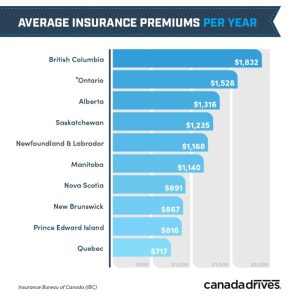
Insurance premiums are the amount of money an individual or business pays for an insurance policy. These premiums are typically paid on a monthly or annual basis and are calculated based on various factors.
Calculation of Insurance Premiums
Insurance premiums are calculated by insurance companies using a variety of factors, including:
- The type of insurance policy being purchased
- The coverage amount and limits
- The individual’s or business’s risk profile
- The insurance company’s claims history and expenses
Factors Influencing Insurance Premium Rates
Several factors can influence insurance premium rates, such as:
- The individual’s age, gender, and health status
- The location and environment where the insured property is located
- The frequency and severity of insurance claims in a specific area
- The type of coverage and deductible chosen
Types of Insurance Premiums and Trends
There are different types of insurance premiums, including health, auto, and home insurance. Each type of insurance premium may have its own trends and factors affecting rates. For example:
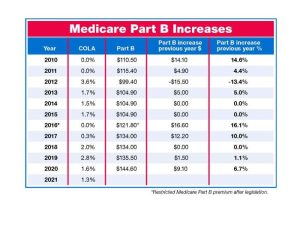
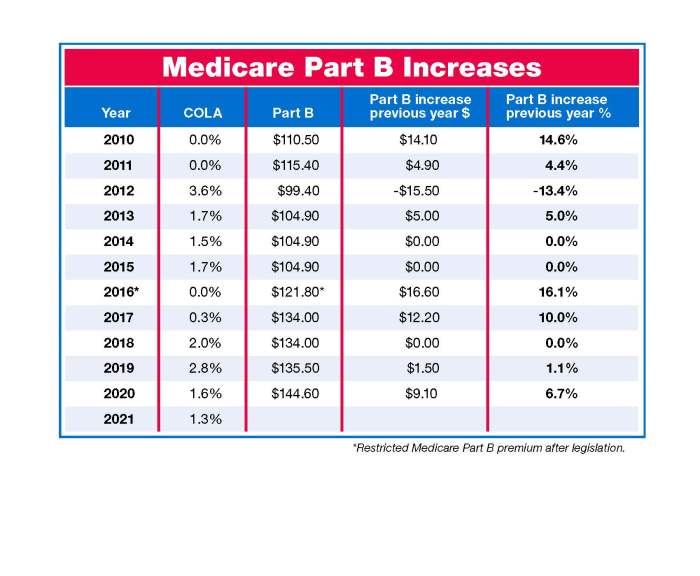
- Health insurance premiums may be influenced by healthcare costs, medical inflation, and government regulations.
- Auto insurance premiums may vary based on the individual’s driving record, type of vehicle, and location.
- Home insurance premiums can be affected by the age and condition of the property, as well as the level of coverage chosen.
Tips for Reducing Insurance Premiums
Here are some tips for reducing insurance premiums without compromising coverage:
- Bundle multiple insurance policies with the same provider for discounts.
- Improve your credit score, as it can impact insurance rates.
- Opt for a higher deductible to lower premium costs.
- Review your coverage annually to ensure you are not overpaying for unnecessary coverage.
In conclusion, Health Insurance Premiums in 2024 present a complex web of variables and considerations that will impact individuals and families alike. Stay informed and proactive to navigate the changing landscape of insurance costs effectively.
FAQ Overview
What factors may impact health insurance premiums in 2024?
Factors such as healthcare utilization rates, demographic shifts, and advances in medical technology can all influence premium costs in 2024.
How are insurance premium rates calculated?
Insurance premium rates are typically calculated based on factors like the individual’s age, health status, location, coverage amount, and any additional risk factors.
What role does technology play in shaping health insurance premiums?
Technology can impact premiums by improving efficiency in claims processing, enabling telemedicine services, and enhancing data analytics for better risk assessment.
Are there strategies to reduce insurance premiums without compromising coverage?
Strategies like opting for higher deductibles, bundling policies, maintaining a healthy lifestyle, and comparing quotes from different insurers can help lower premiums while maintaining adequate coverage.