Embark on a journey through the realm of Affordable Health Insurance Premium Plans, where cost meets comprehensive coverage in perfect harmony. Discover how to secure the best healthcare protection without breaking the bank.
Affordable Health Insurance Premium Plans
Health insurance premium plans are policies that individuals pay for in exchange for coverage of medical expenses. These plans typically require a monthly premium payment to the insurance company, which then helps cover costs for doctor visits, medications, surgeries, and other healthcare services. Opting for affordable health insurance premium plans can provide individuals with financial protection against unexpected medical expenses and ensure access to quality healthcare services.
Benefits of Affordable Health Insurance Plans
- Financial Protection: Affordable health insurance plans provide a safety net by covering a portion of medical expenses, reducing the burden on individuals.
- Access to Healthcare: Having health insurance allows individuals to access healthcare services without worrying about high out-of-pocket costs.
- Preventive Care: Many affordable health insurance plans cover preventive services like screenings and vaccinations, promoting overall health and wellness.
Finding and Comparing Affordable Health Insurance Premium Plans
- Use Online Tools: Websites and platforms allow individuals to compare different health insurance plans based on coverage, premiums, deductibles, and network providers.
- Consult an Insurance Broker: Insurance brokers can help navigate the complex world of health insurance and provide recommendations based on individual needs and budget.
- Check Government Exchanges: Government-run health insurance exchanges offer a variety of affordable plans with subsidies for eligible individuals.
Tips to Lower Health Insurance Premiums
- Choose a Higher Deductible: Opting for a higher deductible can lower monthly premiums, but individuals should be prepared to pay more out-of-pocket in case of medical expenses.
- Maintain a Healthy Lifestyle: Some insurance companies offer discounts for policyholders who engage in healthy behaviors like regular exercise and non-smoking.
- Review and Update Coverage: Regularly review health insurance coverage to ensure it meets current needs and adjust as necessary to avoid overpaying for unnecessary services.
Income Funds
Income funds are a type of investment fund that primarily focuses on generating regular income for investors rather than capital appreciation. These funds typically invest in fixed-income securities such as bonds, money market instruments, and dividend-paying stocks. The income generated from these investments is distributed to investors in the form of dividends or interest payments.
Comparison with Other Investment Funds
Income funds differ from growth funds, which aim to increase the value of the investment over time through capital appreciation. While growth funds often reinvest earnings to achieve long-term growth, income funds prioritize providing a steady income stream to investors. Additionally, income funds tend to have lower volatility compared to equity funds, making them a more conservative investment option for those seeking regular income.
Potential Risks and Rewards
Investing in income funds comes with its own set of risks and rewards. The potential rewards include a stable income stream, diversification benefits, and lower volatility compared to equity investments. However, income funds are susceptible to interest rate risk, credit risk, and inflation risk, which can impact the overall performance of the fund. It’s essential for investors to assess their risk tolerance and investment goals before considering income funds as part of their portfolio.
Top-Performing Income Funds
Some of the top-performing income funds in the market include Vanguard Dividend Growth Fund, PIMCO Income Fund, and Fidelity Strategic Dividend & Income Fund. These funds have a track record of providing consistent income to investors while managing risks effectively. It’s crucial for investors to conduct thorough research and consult with financial advisors before investing in income funds to ensure alignment with their financial goals and risk profile.
Index Funds
Index funds are a type of mutual fund or exchange-traded fund (ETF) that aims to replicate the performance of a specific market index, such as the S&P 500. These funds are passively managed, meaning they do not involve active trading decisions by a fund manager. Instead, they aim to match the performance of the index they are tracking.Index funds play a crucial role in investment portfolios as they offer diversification across a broad range of securities within a particular market index.
They provide investors with a low-cost way to gain exposure to the overall market and reduce the risk associated with individual stock selection.
Role of Index Funds
Index funds track market indexes by holding a portfolio of securities that closely mirrors the composition of the index. This passive approach eliminates the need for constant buying and selling of securities, resulting in lower management fees compared to actively managed funds. By investing in index funds, investors can benefit from broad market exposure, reduced turnover, and lower expenses.
Advantages of Index Funds
- Low costs: Index funds typically have lower expense ratios compared to actively managed funds, resulting in higher returns for investors.
- Diversification: By investing in an index fund, investors gain exposure to a diversified portfolio of securities, reducing the risk associated with individual stock selection.
- Market performance: Since index funds aim to replicate the performance of a specific market index, investors can achieve returns that closely track the overall market performance.
Performance Comparison
Index funds have consistently outperformed actively managed funds over the long term, primarily due to their lower expenses and passive investment approach. While actively managed funds rely on the expertise of fund managers to beat the market, index funds provide investors with a more reliable and cost-effective way to achieve market returns.
Choosing the Right Index Funds
- Consider the index being tracked: Look for index funds that closely match your investment goals and risk tolerance.
- Compare expense ratios: Choose index funds with low expense ratios to maximize your returns.
- Review historical performance: Evaluate the past performance of index funds to assess their consistency and stability over time.
Inflation Hedge

Inflation hedge refers to investments or assets that have the potential to maintain or increase in value over time, even in the face of rising inflation rates. It is crucial for financial planning as inflation erodes the purchasing power of money, making it essential to protect one’s finances against its effects.
Assets as Inflation Hedges
- Real Estate: Properties tend to appreciate in value over time, providing a hedge against inflation.
- Commodities: Assets like gold, silver, and oil often retain their value or increase during inflationary periods.
- TIPS (Treasury Inflation-Protected Securities): These bonds are designed to protect against inflation by adjusting their principal value based on changes in the Consumer Price Index.
- Stocks: Equities of companies with strong pricing power and the ability to pass on increased costs to consumers can serve as an inflation hedge.
Impact on Insurance Premiums
Inflation can impact insurance premiums as the cost of providing coverage increases with rising prices. Insurers may adjust premiums to account for inflation, leading to higher costs for policyholders.
Strategies for Financial Protection
- Diversification: Spread investments across different asset classes to reduce the impact of inflation on the overall portfolio.
- Regular Review: Monitor investments and insurance policies regularly to ensure they are keeping pace with inflation.
- Consider Inflation-Linked Products: Look for financial products specifically designed to provide protection against inflation, such as inflation-indexed annuities.
- Adjust Budgeting: Account for inflation when creating a budget and factor in potential increases in expenses over time.
Insurance Premiums
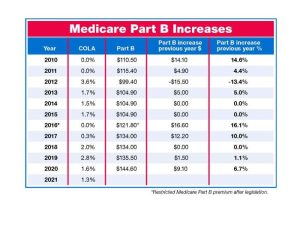
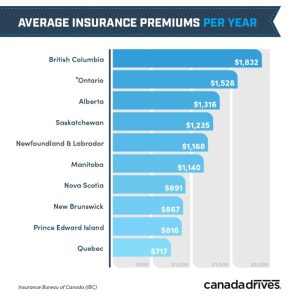
Insurance premiums are the amount of money an individual or business pays to an insurance company in exchange for insurance coverage. These premiums are typically paid on a monthly or annual basis to maintain the policy.
Factors Influencing Insurance Premiums
- Age: Younger individuals usually pay lower premiums compared to older individuals, as they are considered less risky.
- Location: The area where you live can impact your insurance premiums. For example, living in a high-crime area may result in higher premiums.
- Coverage Level: The type and amount of coverage you choose will directly affect your premiums. More coverage typically means higher premiums.
Relationship Between Insurance Premiums and Deductible Amounts
Insurance premiums and deductible amounts have an inverse relationship. A higher deductible usually means lower premiums, while a lower deductible results in higher premiums. It’s important to find the right balance based on your financial situation and risk tolerance.
Tips to Manage and Reduce Insurance Premiums
- Shop Around: Compare quotes from different insurance companies to find the best rate.
- Bundle Policies: Consider bundling multiple insurance policies with the same company for potential discounts.
- Improve Your Credit Score: A higher credit score can lead to lower insurance premiums.
- Drive Safely: Maintaining a clean driving record can help lower auto insurance premiums.
- Opt for Higher Deductibles: If you can afford it, choosing a higher deductible can reduce your premiums.
In conclusion, Affordable Health Insurance Premium Plans offer a gateway to accessible healthcare without compromising quality. Take charge of your financial and physical well-being with these budget-friendly options.
FAQ Explained
How can I find the most suitable affordable health insurance premium plan?
You can start by comparing different plans online, considering your specific needs and budget constraints.
Are there ways to reduce health insurance premiums without losing coverage benefits?
Yes, you can opt for a higher deductible or explore health savings accounts to lower your premiums.
What factors typically affect the calculation of insurance premiums?
Insurance companies consider factors like age, location, lifestyle habits, and coverage level when determining premiums.