Cryptocurrency as an Inflation Hedge sets the stage for this enthralling narrative, offering readers a glimpse into a story that is rich in detail and brimming with originality. Exploring how digital assets can protect against inflation, this discussion delves into historical examples and the correlation between inflation rates and cryptocurrency values.
Cryptocurrency as an Inflation Hedge
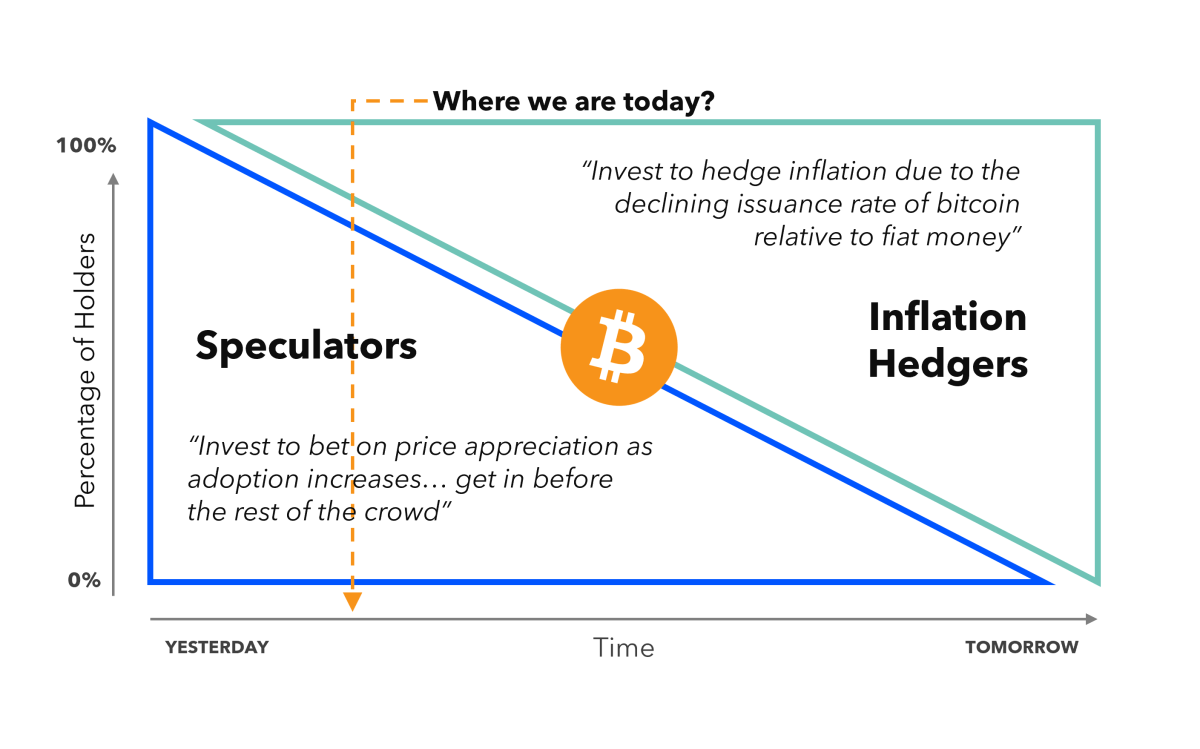
Cryptocurrency has emerged as a popular choice for investors looking to hedge against inflation due to its decentralized nature and limited supply. Unlike traditional fiat currencies that can be printed at will by central banks, most cryptocurrencies have a predetermined maximum supply, making them resistant to inflationary pressures.
Historical Instances
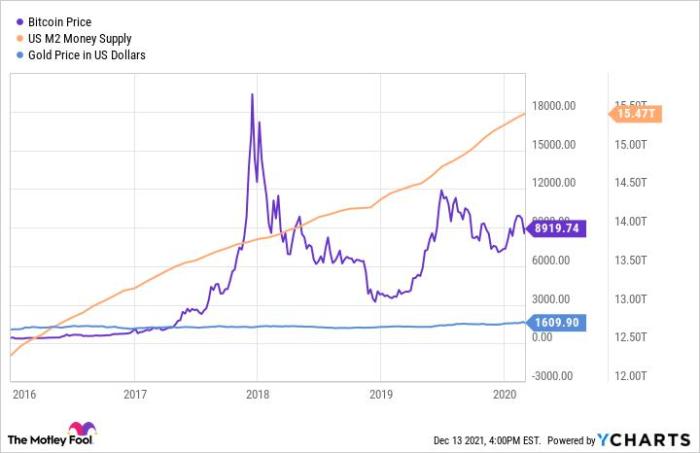
- Bitcoin: Since its creation in 2009, Bitcoin has often been touted as “digital gold” due to its scarcity and store of value properties. During times of economic uncertainty or high inflation, investors have turned to Bitcoin as a safe haven asset, driving up its price.
- Venezuela: In countries experiencing hyperinflation like Venezuela, citizens have turned to cryptocurrencies like Bitcoin to preserve their wealth and protect themselves from the devaluation of the local currency.
Correlation with Inflation Rates
- When inflation rates rise, traditional currencies lose purchasing power, leading investors to seek alternative stores of value like cryptocurrencies. This increased demand can drive up the price of cryptocurrencies, making them an attractive hedge against inflation.
- However, it’s essential to note that the value of cryptocurrencies can also be influenced by other factors like market sentiment, regulatory developments, and technological advancements, so they may not always move in direct correlation with inflation rates.
Income Funds
Income funds are investment funds that primarily focus on generating a steady income stream for investors through dividends, interest payments, or other sources of income. These funds typically invest in fixed-income securities such as bonds, preferred stocks, or other debt instruments.
Benefits of Income Funds
Income funds offer several benefits compared to other types of investment funds. Some of the key advantages include:
- Diversification: Income funds provide investors with a diversified portfolio of fixed-income securities, reducing the overall risk of the investment.
- Steady Income: These funds aim to generate a consistent income stream for investors, making them suitable for those seeking regular cash flow.
- Capital Preservation: Income funds focus on investments with lower volatility, aiming to preserve capital while generating income.
- Tax Efficiency: Some income funds are structured to provide tax-efficient returns, making them attractive for investors looking to minimize tax liabilities.
Popular Income Funds in the Market
Some examples of popular income funds in the market include:
- Vanguard Total Bond Market Index Fund: This fund seeks to track the performance of the Bloomberg Barclays U.S. Aggregate Float Adjusted Index, providing exposure to a wide range of U.S. investment-grade bonds.
- PIMCO Income Fund: Managed by Pacific Investment Management Company, this fund aims to generate income by investing in a diversified portfolio of fixed-income securities.
- Fidelity Strategic Income Fund: This fund focuses on generating high current income while maintaining capital preservation through a mix of fixed-income securities.
Index Funds
Index funds are a type of mutual fund or exchange-traded fund (ETF) that aims to replicate the performance of a specific market index, such as the S&P 500. Unlike actively managed funds, which involve a team of managers making investment decisions to outperform the market, index funds passively track the performance of a chosen index.
Advantages of Investing in Index Funds
- Cost-Effective: Index funds have lower management fees compared to actively managed funds, making them a cost-effective investment option.
- Diversification: By investing in an index fund, investors gain exposure to a wide range of securities within the index, reducing individual stock risk.
- Consistent Performance: Index funds aim to match the performance of the underlying index, providing consistent returns over the long term.
Index Funds as a Strategy to Hedge Against Market Volatility
- Market Exposure: Index funds offer broad market exposure, which can help investors diversify their portfolios and reduce the impact of market volatility on their investments.
- Stability: By tracking a market index, index funds provide stability during turbulent market conditions, helping investors weather market fluctuations.
- Long-Term Growth: Investing in index funds for the long term can help investors benefit from the overall growth of the market over time, despite short-term volatility.
Inflation Hedge
Inflation hedge refers to an investment that retains or increases its value over time, protecting investors from the erosion of purchasing power caused by inflation. Investors seek assets that can counteract the effects of inflation by providing returns that outpace the rate of inflation.
Types of Inflation Hedges
- Gold: Gold has long been considered a traditional hedge against inflation due to its intrinsic value and limited supply.
- Real Estate: Real estate investments, particularly in properties that generate rental income, can act as a hedge against inflation by increasing in value over time.
- Treasury Inflation-Protected Securities (TIPS): TIPS are government bonds designed to protect investors from inflation by adjusting the principal value for changes in the Consumer Price Index.
- Cryptocurrencies: Cryptocurrencies like Bitcoin are increasingly being viewed as a potential inflation hedge due to their decentralized nature and finite supply.
It is essential for investors to diversify their portfolio with a mix of assets that can act as effective inflation hedges.
Effectiveness of Inflation Hedges
Each type of asset has its own strengths and weaknesses when it comes to hedging against inflation.
| Asset | Effectiveness |
|---|---|
| Gold | Historically proven to preserve wealth during periods of high inflation. |
| Real Estate | Can provide both capital appreciation and rental income, making it a tangible inflation hedge. |
| Treasury Inflation-Protected Securities (TIPS) | Offer a guaranteed protection against inflation, but returns may be lower compared to other assets. |
| Cryptocurrencies | While volatile, cryptocurrencies like Bitcoin have shown potential to hedge against inflation in the long term. |
Insurance Premiums
Insurance premiums are the amount of money an individual or business pays to an insurance company in exchange for coverage against potential risks. The calculation of insurance premiums varies depending on the type of insurance policy and the risk factors associated with the insured party.Factors that influence insurance premiums include age, health status, occupation, and location. For example, younger individuals typically pay lower premiums for life insurance compared to older individuals, as they are considered lower risk.
Similarly, individuals with pre-existing health conditions may face higher health insurance premiums due to the increased likelihood of filing claims.
Factors Influencing Insurance Premiums
- Age: Younger individuals often pay lower premiums for life insurance.
- Health: Pre-existing conditions can lead to higher health insurance premiums.
- Occupation: Riskier occupations may result in higher premiums for disability or life insurance.
- Location: Living in areas prone to natural disasters can impact property insurance premiums.
Strategies to Lower Insurance Premiums
- Bundling Policies: Combining multiple insurance policies with the same provider can often lead to discounts.
- Improving Risk Factors: Making lifestyle changes, such as quitting smoking or maintaining a healthy weight, can help lower health insurance premiums.
- Comparing Quotes: Shopping around and obtaining quotes from multiple insurers can help find the best rates.
In conclusion, the concept of using cryptocurrency as an inflation hedge emerges as a compelling strategy in today’s economic landscape. With its potential to mitigate the impact of inflation, digital assets present investors with a unique opportunity for diversification and protection against market uncertainties.
Detailed FAQs
How does cryptocurrency act as a hedge against inflation?
Cryptocurrency offers a decentralized and finite supply, making it resistant to inflationary pressures that traditional fiat currencies face.
Can you provide examples of historical instances where cryptocurrency served as an inflation hedge?
During economic crises in countries like Venezuela and Zimbabwe, citizens turned to cryptocurrencies like Bitcoin to preserve their wealth amid hyperinflation.
What are some popular income funds in the market?
Income funds like Vanguard High Dividend Yield Index Fund and Fidelity Equity-Income Fund are well-known options for investors seeking regular income.