With How to Hedge Against Inflation at the forefront, this paragraph opens a window to an amazing start and intrigue, inviting readers to embark on a storytelling journey filled with unexpected twists and insights.
When it comes to protecting your investments from the eroding effects of inflation, understanding key strategies and tools is essential. In this guide, we will explore various methods investors can use to hedge against inflation and preserve their wealth.
Income Funds
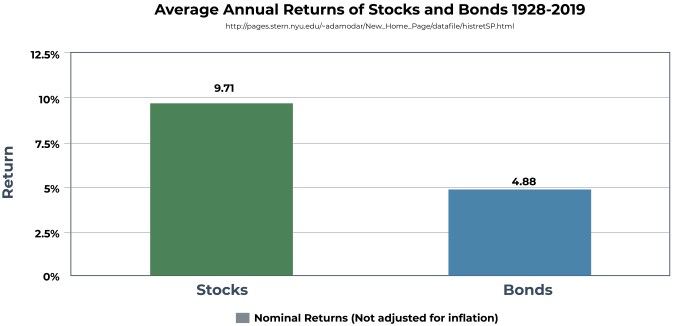
Income funds are investment vehicles that primarily focus on generating income for investors through dividends, interest payments, or other distributions. These funds can be an effective way to hedge against inflation as they typically provide a steady stream of income that may increase over time to keep pace with rising prices.
Popular Income Funds for Inflation Hedging
- Vanguard High Dividend Yield Index Fund (VHYAX): This fund seeks to track the performance of the FTSE High Dividend Yield Index, offering exposure to high-quality dividend-paying companies.
- PIMCO Income Fund (PONAX): Managed by renowned bond investor Bill Gross, this fund invests in a diversified portfolio of fixed-income securities to generate income and potential capital appreciation.
- Schwab U.S. TIPS ETF (SCHP): This fund focuses on Treasury Inflation-Protected Securities (TIPS), which are designed to provide protection against inflation by adjusting their principal value based on changes in the Consumer Price Index.
Risks Associated with Income Funds
- Interest Rate Risk: Income funds are sensitive to changes in interest rates, which can impact the value of their underlying holdings and the income they generate.
- Credit Risk: Investing in income funds exposes investors to the risk of default by the issuers of the securities held in the fund, potentially leading to a loss of income.
- Inflation Risk: While income funds can help hedge against inflation to some extent, they may not fully protect against the erosion of purchasing power caused by high inflation rates.
Index Funds
Index funds play a crucial role in a diversified investment portfolio, especially when it comes to hedging against inflation. These funds are designed to track the performance of a specific market index, providing investors with broad exposure to a wide range of assets.
Effectiveness as a Hedge Against Inflation
Index funds can be an effective hedge against inflation because they typically include a mix of stocks, bonds, or other assets that have historically outpaced inflation over the long term. By investing in a diversified index fund, investors can benefit from the overall growth of the market, which tends to keep pace with or outpace inflation.Some well-known index funds that have historically performed well during inflationary periods include:
S&P 500 Index Fund
Tracks the performance of the 500 largest publicly traded companies in the U.S. and is considered a benchmark for the overall stock market.
Vanguard Total Stock Market Index Fund
Provides exposure to the entire U.S. stock market, offering diversification across various sectors and market capitalizations.
iShares Barclays TIPS Bond Fund
Focuses on Treasury Inflation-Protected Securities (TIPS), which are designed to protect investors from inflation by adjusting the principal value of the bond based on changes in the Consumer Price Index.
Advantages and Disadvantages
Using index funds for inflation hedging has its advantages and disadvantages compared to other investment vehicles. Some of the key points to consider include:Advantages:
Diversification
Index funds provide exposure to a wide range of assets, reducing the risk of individual stock or bond picking.
Low Costs
Index funds typically have lower expense ratios compared to actively managed funds, allowing investors to keep more of their returns.
Transparency
The underlying holdings of index funds are publicly disclosed, providing clarity on where your money is invested.Disadvantages:
Limited Upside Potential
Since index funds aim to replicate the performance of a specific index, they may not outperform the market during bull runs.
Lack of Flexibility
Investors have limited control over the individual holdings within an index fund, as they are passively managed according to the index methodology.
Market Volatility
Index funds are still subject to market fluctuations and may experience losses during downturns, regardless of their long-term performance.Overall, index funds can be a valuable addition to an investment portfolio for inflation hedging, offering a convenient and cost-effective way to gain exposure to a diversified basket of assets.
Inflation Hedge
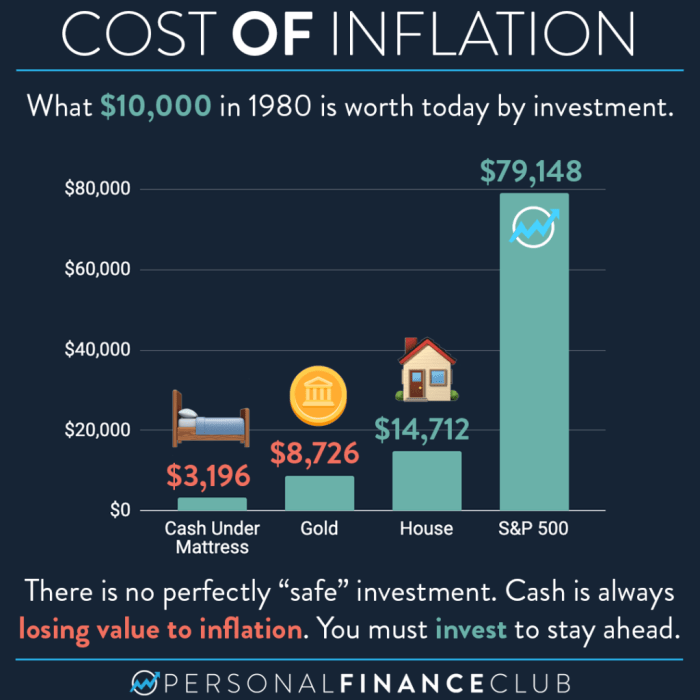
An inflation hedge refers to an investment that is expected to maintain or increase its value over time, even as prices rise due to inflation. It is crucial for investors to consider inflation hedges in their portfolios to preserve purchasing power and protect against the erosion of real returns.
Types of Inflation Hedges
- Real Assets: Real assets such as real estate, commodities, and natural resources tend to perform well during inflationary periods as their values typically rise with inflation.
- TIPS (Treasury Inflation-Protected Securities): These are U.S. Treasury bonds that are indexed to inflation, providing investors with a hedge against rising prices.
- Gold and Precious Metals: Precious metals like gold are often viewed as a store of value and can act as a hedge against inflation due to their scarcity and intrinsic value.
- Equities: Stocks of companies with strong pricing power and the ability to pass on higher costs to consumers can also serve as effective inflation hedges.
Diversification for Inflation Protection
Diversifying across various inflation-hedging assets can help enhance a portfolio’s resilience to inflationary pressures by reducing overall risk and volatility. By spreading investments across different asset classes, investors can potentially offset losses in one area with gains in another, thus safeguarding their purchasing power in inflationary environments.
Insurance Premiums
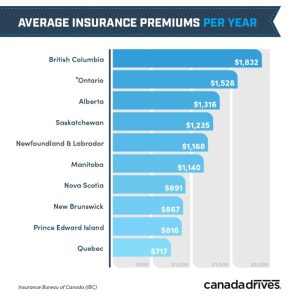
Insurance premiums play a crucial role in protecting individuals against unforeseen events and risks. When it comes to inflation, insurance premiums can act as a hedge by providing a form of financial protection that remains relatively stable despite rising prices.Inflation can erode the value of money over time, making it challenging for individuals to maintain their standard of living. By paying insurance premiums, individuals transfer the risk of certain events, such as accidents, health issues, or property damage, to an insurance company.
In return, the insurance company promises to provide financial support in case these events occur.
Inflation-Protected Policies and Annuities
- Insurance products like inflation-protected policies or annuities can help individuals mitigate the impact of inflation by providing a source of income that is adjusted for inflation.
- Inflation-protected policies typically offer benefits that increase in line with the rate of inflation, ensuring that the purchasing power of the benefits remains relatively stable over time.
- Annuities, on the other hand, provide a guaranteed stream of income for a specified period or for life, offering a reliable source of funds that can help individuals cope with rising prices.
Considerations for Using Insurance Premiums as an Inflation Hedge
- Understand the terms and conditions of the insurance policy, including how inflation adjustments are calculated and when benefits are paid out.
- Compare different insurance products to find the one that best suits your financial goals and risk tolerance.
- Consider the costs associated with insurance premiums and weigh them against the benefits of having financial protection in place.
- Regularly review your insurance coverage to ensure that it remains adequate in the face of changing economic conditions and inflation rates.
As we conclude our discussion on how to hedge against inflation, it’s clear that a proactive approach is crucial in safeguarding your financial future. By diversifying your investment portfolio and utilizing effective hedging strategies, you can navigate the challenges posed by inflation and secure your wealth for the long term.
FAQ Explained
What are the benefits of using income funds to hedge against inflation?
Income funds can provide a steady source of income through dividends and interest payments, which can help offset the impact of rising prices during inflationary periods.
How do insurance premiums act as a hedge against inflation?
Insurance products like inflation-protected policies or annuities can offer a reliable source of income that adjusts for inflation, providing a cushion against the effects of rising prices.