Starting with Index Funds vs Mutual Funds, this introductory paragraph aims to provide a captivating overview of the topic, highlighting key differences and benefits for investors seeking to optimize their portfolios.
Exploring the nuances of income funds, index funds, inflation hedges, and insurance premiums, this discussion delves into the intricacies of each investment option to empower readers with valuable insights for their financial decisions.
Income Funds
Income funds are a type of mutual fund that focuses on generating regular income for investors through dividends and interest payments from investments in bonds, preferred stocks, and other income-generating securities. These funds are designed to provide a steady stream of income while preserving capital to some extent.
Differences from Index Funds
Income funds differ from index funds in that they prioritize generating income over tracking a specific market index. While index funds aim to replicate the performance of a particular index by holding a diversified portfolio of securities, income funds focus on generating income through interest and dividends.
Examples of Income Funds
- Vanguard High Dividend Yield Index Fund (VHDYX)
- Fidelity Strategic Income Fund (FSICX)
- PIMCO Income Fund (PONAX)
Benefits and Risks
Income funds offer several benefits, such as regular income payments, diversification, and professional management. However, they also come with risks, including interest rate risk, credit risk, and the potential for lower returns compared to equity investments. It’s essential for investors to consider their risk tolerance and investment goals when deciding between income funds and index funds.
Index Funds
Index funds are a type of investment fund that aims to replicate the performance of a specific market index, such as the S&P 500. These funds hold a diversified portfolio of securities that mirror the holdings of the index they track. The primary purpose of index funds is to provide investors with broad market exposure at a low cost.
Performance Comparison
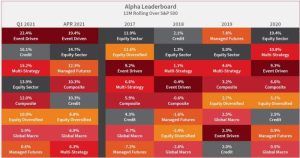
Index funds are known for their passive management style, which typically results in lower fees compared to actively managed mutual funds. Since index funds aim to match the performance of a specific index rather than outperform it, they tend to have lower turnover and lower associated costs. This cost efficiency often translates into higher returns for investors over the long term.
- Index funds generally have lower expense ratios compared to mutual funds, which can eat into overall returns.
- Due to their passive nature, index funds often have lower portfolio turnover, resulting in fewer capital gains distributions and lower tax implications for investors.
- Research has shown that over the long term, index funds tend to outperform the majority of actively managed mutual funds.
Investor Preference
Many investors choose index funds over mutual funds for various reasons, including their simplicity, transparency, and cost-effectiveness. Index funds offer broad market exposure, making them ideal for investors seeking diversified investment options without the need for continuous monitoring or active management. Additionally, the lower fees associated with index funds make them an attractive choice for investors looking to maximize their returns over time.
- Index funds provide a hands-off approach to investing, making them suitable for novice investors or those looking for a set-it-and-forget-it strategy.
- Investors who believe in the efficient market hypothesis often prefer index funds, as they aim to match the market performance rather than beat it.
- For long-term investors, index funds offer a cost-effective way to build a diversified portfolio and benefit from the overall growth of the market.
Inflation Hedge
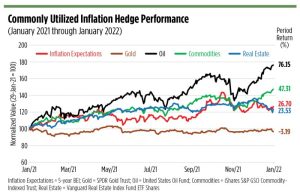
Index funds and mutual funds can serve as a hedge against inflation by providing diversification across a wide range of assets. Inflation erodes the purchasing power of money over time, but investing in a mix of stocks and bonds through these funds can help offset the effects of rising prices.
Strategies for Inflation Protection
- Invest in Real Assets: Consider funds that hold real assets like real estate investment trusts (REITs) or commodities to benefit from their potential to increase in value during inflationary periods.
- Focus on Dividend-Paying Stocks: Companies that pay consistent dividends can provide a source of income that may keep pace with inflation.
- Utilize TIPS: Treasury Inflation-Protected Securities (TIPS) are bonds issued by the U.S. government that adjust their principal value based on inflation, providing a built-in hedge.
Historical Performance
During inflationary periods, index funds and mutual funds have historically performed well compared to cash holdings or fixed-income securities. For example, in the 1970s when inflation surged, stocks held within index funds generally outperformed other asset classes, providing a buffer against the eroding effects of rising prices.
Insurance Premiums
Index funds and mutual funds can both be utilized to cover insurance premiums. By investing in either of these funds, individuals can potentially generate returns that can help offset the cost of insurance premiums over time.
Cost-Effectiveness of Index Funds vs Mutual Funds
- Index funds typically have lower expense ratios compared to actively managed mutual funds. This means that index funds may be more cost-effective in the long run as they tend to incur lower fees, allowing investors to keep more of their returns.
- Mutual funds may have higher management fees and trading costs, which can eat into the overall returns. Therefore, when using funds to cover insurance premiums, index funds might be a more cost-effective option.
Optimizing Investment Strategies
- Diversification is key when using index funds or mutual funds to cover insurance premiums. By investing in a mix of different assets, investors can reduce risk and potentially increase returns over time.
- Regularly reviewing and rebalancing the investment portfolio is essential to ensure that it aligns with the financial goals and obligations, such as insurance premium payments.
- Consider setting up automatic contributions to the fund to ensure consistency in investing and to take advantage of dollar-cost averaging, which can help reduce the impact of market volatility.
In conclusion, understanding the distinctions between index funds and mutual funds is crucial for investors looking to make informed choices about their portfolios. By weighing the advantages, risks, and performance metrics of each option, individuals can tailor their investment strategies to align with their financial goals and risk tolerance levels.
Helpful Answers
Can income funds guarantee higher returns than index funds?
Income funds primarily focus on generating consistent income for investors, while index funds aim to track a specific market index. The returns vary based on market conditions and fund performance.
What are the key differences in performance between index funds and mutual funds?
Index funds typically have lower expense ratios and passive management strategies, leading to potentially higher returns compared to actively managed mutual funds over the long term.
How can investors use index funds and mutual funds as a hedge against inflation?
Both index funds and mutual funds can provide exposure to asset classes that tend to perform well during inflationary periods, such as commodities or real estate investment trusts (REITs).
Are index funds more cost-effective than mutual funds for covering insurance premiums?
Index funds generally have lower fees and expenses compared to many actively managed mutual funds, making them a potentially more cost-effective option for allocating funds towards insurance premiums.