Low-Cost Index Funds for Long-Term Investment sets the stage for this enthralling narrative, offering readers a glimpse into a story that is rich in detail with casual formal language style and brimming with originality from the outset.
Index funds, income funds, inflation hedge, and insurance premiums are all vital aspects of the discussion, each shedding light on unique investment opportunities and strategies for long-term financial success.
Low-Cost Index Funds for Long-Term Investment
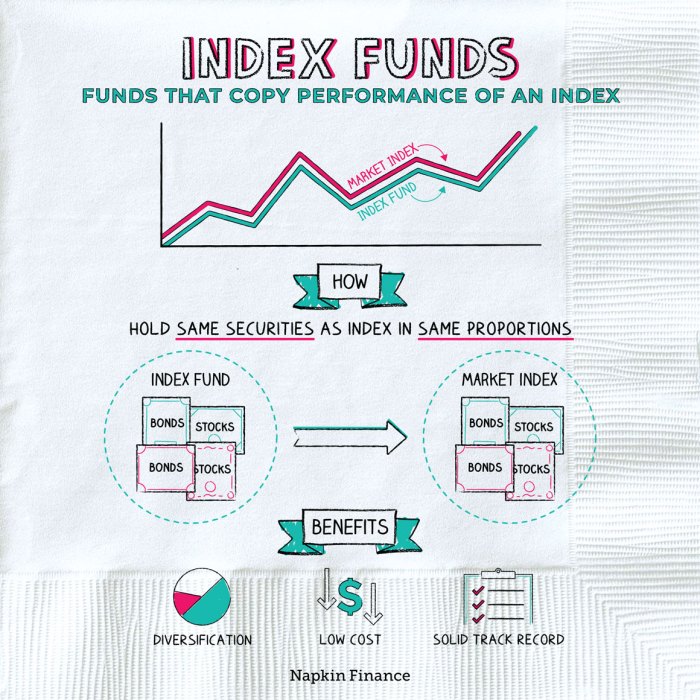
Index funds are a type of investment fund that aims to replicate the performance of a specific market index, such as the S&P 500. Unlike actively managed funds, which involve a team of managers making decisions to outperform the market, index funds simply aim to match the performance of the index they are tracking.
Examples of Popular Low-Cost Index Funds
- Vanguard Total Stock Market Index Fund (VTSAX): This fund provides exposure to the entire U.S. stock market at a low cost.
- Schwab S&P 500 Index Fund (SWPPX): This fund tracks the S&P 500 index, offering diversification across large-cap U.S. stocks.
- iShares Core MSCI EAFE ETF (IEFA): This fund focuses on international developed market equities, providing investors with global diversification.
Benefits of Investing in Low-Cost Index Funds for Long-Term Financial Goals
Investing in low-cost index funds offers several advantages for long-term financial goals:
- Diversification: Index funds typically hold a wide range of securities, providing investors with instant diversification and reducing individual stock risk.
- Low Costs: With lower expense ratios compared to actively managed funds, low-cost index funds help investors keep more of their returns over time.
- Consistent Performance: By tracking market indices, index funds aim to deliver consistent returns over the long term without the need for active management.
- Passive Management: Index funds require minimal oversight, making them a low-maintenance investment option suitable for long-term investors.
Income Funds
Income funds are a type of mutual fund or ETF that focuses on generating regular income for investors through dividends, interest payments, or other sources of income. These funds are popular among investors seeking steady cash flow without the need for active management.
Differentiation from Index Funds
Income funds differ from index funds in terms of their investment objectives. While index funds aim to replicate the performance of a specific market index, income funds prioritize generating regular income for investors. This distinction means that income funds may invest in a broader range of assets beyond the index components to achieve their income-generating goals.
Examples of Income Funds
- Vanguard High Dividend Yield Index Fund (VHYAX): This fund focuses on high-dividend-paying stocks to provide investors with a steady income stream.
- PIMCO Income Fund (PONAX): This fund invests in a mix of bonds, mortgages, and other fixed-income securities to generate income for investors.
- Fidelity Strategic Income Fund (FSICX): This fund utilizes a flexible approach to invest in a diversified portfolio of income-generating securities.
Suitability for Investors Seeking Cash Flow
Income funds can be a suitable option for investors looking for a reliable source of income, especially during retirement or other periods where steady cash flow is essential. These funds offer the potential for regular payouts while maintaining a diversified portfolio to manage risk effectively. By investing in income funds, investors can benefit from both income generation and potential capital appreciation over the long term.
Inflation Hedge
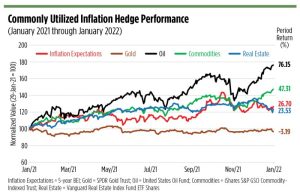
Low-cost index funds can serve as a hedge against inflation by providing investors with a diversified portfolio of assets that have historically outpaced inflation rates.
Mechanisms of Index Funds
Index funds help investors protect their purchasing power through various mechanisms:
- Diversification: Index funds typically hold a broad range of assets, reducing the impact of inflation on any single investment.
- Passive Management: With low turnover and minimal trading, index funds have lower expenses, allowing investors to keep more of their returns.
- Historical Performance: Many index funds have shown resilience during inflationary periods, delivering consistent returns over the long term.
Examples of Index Funds
Some index funds that have historically performed well during inflationary periods include:
- S&P 500 Index Fund: This fund tracks the performance of the 500 largest publicly traded companies in the U.S. and has historically provided solid returns during inflationary times.
- Gold ETFs: While not traditional index funds, gold ETFs can also act as a hedge against inflation due to the precious metal’s historical store of value characteristics.
- TIPS (Treasury Inflation-Protected Securities) Fund: This fund invests in U.S. Treasury bonds that adjust for inflation, providing investors with a way to protect their purchasing power.
Insurance Premiums
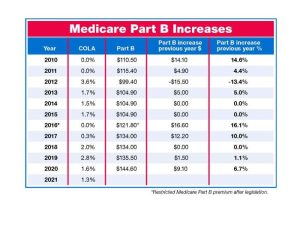
Investing in low-cost index funds can have a positive impact on one’s ability to pay for insurance premiums. By exploring the correlation between index funds and insurance costs, individuals can potentially free up funds for securing their financial future.
Role of Index Funds in Covering Insurance Costs
- Index funds offer a cost-effective way to grow wealth over the long term, providing a source of funds that can be used to cover insurance premiums.
- As index funds typically have lower fees compared to actively managed funds, investors can benefit from higher returns, which can be allocated towards insurance payments.
- By incorporating index funds into a comprehensive financial plan, individuals can ensure they have the necessary resources to meet insurance obligations in the future.
In conclusion, Low-Cost Index Funds for Long-Term Investment proves to be a valuable asset in any investor’s portfolio, offering stability, growth, and security over the long haul. Dive into the world of index funds and pave your way to a financially prosperous future.
Essential FAQs
How do index funds differ from actively managed funds?
Index funds track a specific market index passively, while actively managed funds involve a fund manager making investment decisions.
Can index funds protect against inflation?
Yes, low-cost index funds can serve as a hedge against inflation by providing diversified exposure to various asset classes.
What are some popular low-cost index funds available?
Examples include Vanguard Total Stock Market Index Fund and Schwab S&P 500 Index Fund.
How can investing in index funds free up funds for insurance premiums?
By offering steady returns and growth potential, index funds can create additional financial resources for covering insurance costs.